Paralegal to Solicitor Salary: What You Can Expect at Every Stage
The Salary Question: Is It Worth the Leap?
For many paralegals, the dream of qualifying as a solicitor comes with one big question: does the pay justify the grind? The short answer? Yes — but the journey isn’t always smooth. Paralegal salaries in the UK typically range from £20,000 to £30,000 annually depending on location and experience. Compare that to newly qualified solicitors (NQs), who can start at £65,000 in London or £45,000+ outside the capital. That’s a significant jump. But here’s the catch — the road to qualification can be expensive, competitive, and (if you’re not careful) longer than expected.
Let’s dive deeper into what you can expect at every stage, how you can navigate the SQE route effectively, and whether the financial and emotional investment ultimately pays off.
Salary Breakdown: Paralegal vs. Solicitor Pay
| Stage | Average Annual Salary | Notes |
|---|---|---|
| Paralegal | £20,000 - £30,000 | Entry-level roles often pay less in regional firms. Experienced paralegals in London can push £35,000. |
| Trainee Solicitor | £23,000 - £28,000 (regional firms) | £50,000+ in London firms, especially Magic Circle. However, competition for training contracts is fierce. |
| Newly Qualified (NQ) | £45,000 - £75,000 | Big regional firms are catching up with London rates due to a talent shortage. |
| 5+ Years PQE | £70,000 - £100,000 | Specialisms like tech law or financial services command higher premiums. |
The SQE Route: Why Timing Matters
The Solicitors Qualifying Examination (SQE) has disrupted the traditional training contract route. Instead of competing for a limited number of contracts, SQE candidates can qualify by completing two years of Qualifying Work Experience (QWE). Seems simpler, right? Not quite. The SQE exams themselves are rigorous and expensive — SQE1 alone costs £1,622. Add SQE2 fees, prep courses, and the cost of lost time, and you’re looking at a hefty investment.
What Does the SQE Cost?
Here’s a breakdown of typical SQE costs:
| Expense | Cost | Notes |
|---|---|---|
| SQE1 Exam Fees | £1,622 | Covers two stages: Functioning Legal Knowledge and Legal Skills Assessment |
| SQE2 Exam Fees | £2,493 | Focuses on practical legal skills |
| Prep Courses | £5/month - £3,000+ | Affordable options like SQE1 Drills contrast with premium courses |
| Total Estimated Costs | £4,120+ | Not including time off work or incidental expenses |
Case Study: Affordable Prep Makes a Difference
Take Sarah, a paralegal working in Birmingham earning £28,000. She wanted to minimize costs while preparing for SQE1. Instead of enrolling in a traditional £3,000 course, Sarah used SQE1 Drills, paying £5/month for targeted MCQ practice. She passed SQE1 on her first attempt, saving money and avoiding the need to retake the exam. Sarah’s story highlights how cost-effective prep tools can be game-changing for self-funding candidates.
Why Paralegals Are Perfect Candidates for SQE
Paralegals have a unique advantage. Many already work in legal environments that qualify for QWE, meaning they can earn as they learn. This reduces financial stress compared to full-time students. But balancing work and study isn’t easy.
Actionable Tips for Paralegals Balancing Work and Study
- Plan a Weekly Study Schedule: Break your study into manageable chunks, dedicating 2-3 hours on weekends and shorter 30-minute sessions during weekdays. Tools like SQE1 Drills allow for quick, focused study.
- Use Analytics to Target Weak Areas: Many paralegals fail SQE1 simply because they don’t review weak topics. Affordable platforms like SQE1 Drills offer real-time weak-topic analytics to help you focus.
- Leverage Employer Support: If your firm has solicitors supervising your work, ask them to certify your QWE as you progress. This ensures you’re not delaying qualification unnecessarily.
Real-Life Example: Balancing Act
James, a paralegal in Leeds, worked full-time while preparing for SQE1. By sticking to a daily streak of 15 MCQs and using built-in analytics to address weak topics, James passed SQE1 in six months without sacrificing his job performance. His employer certified the QWE he earned during this time, allowing him to qualify faster.
Solving the Salary Gap Problem
Let’s talk about the elephant in the room: trainee solicitor pay. For paralegals already earning £30,000, stepping into a £25,000 trainee role feels like a step backward. It’s frustrating, but it’s temporary. The real payoff comes at the NQ stage, where salaries jump dramatically. Plus, regional firms are closing the gap with London.
Regional Firms Offering Competitive NQ Salaries
- Leeds: £65,000+ for NQ roles at top firms
- Manchester: £55,000+ for NQ roles
- Bristol: £50,000+ for NQ roles
These figures show that London isn’t the only place for high-paying solicitor jobs. With the legal talent shortage, regional firms are offering competitive packages to attract and retain skilled professionals.
A Practical Tip: Use Exam Simulations
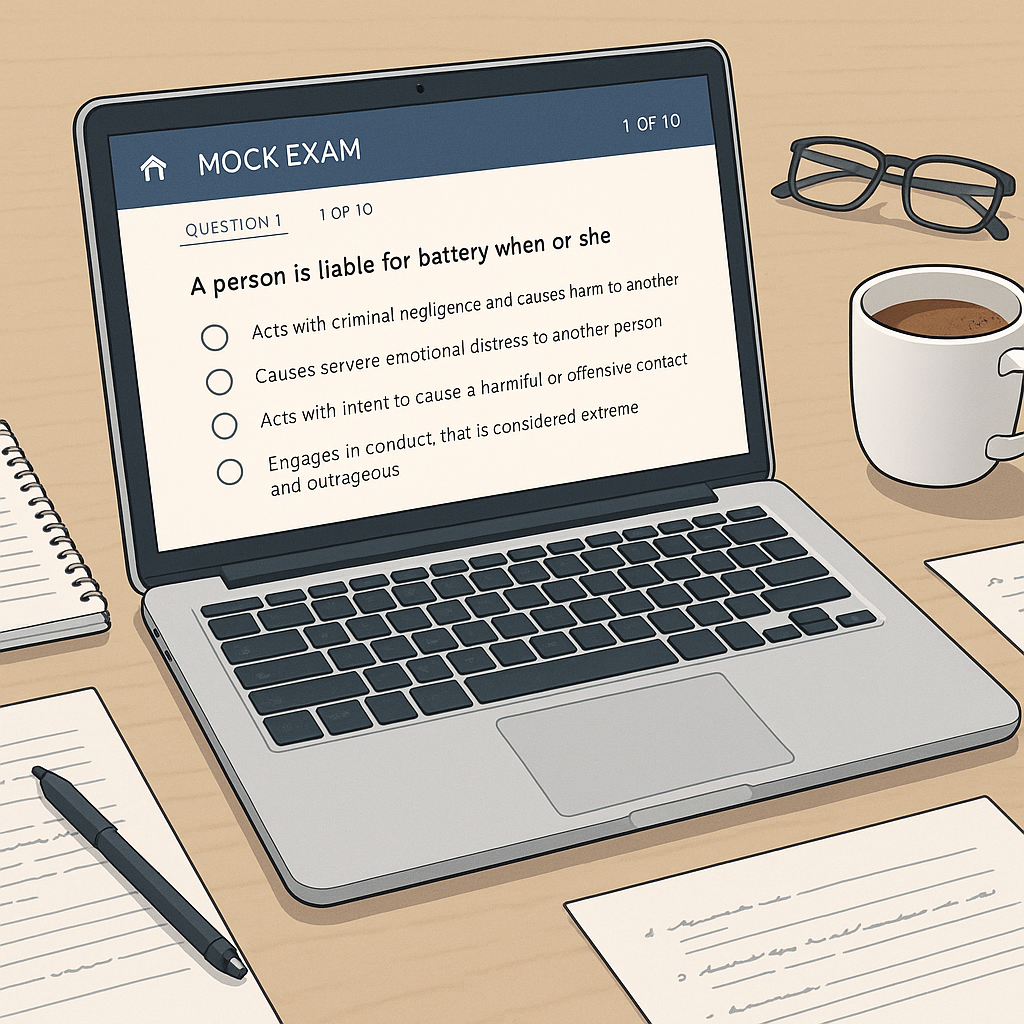
One overlooked strategy is practicing under real exam conditions. SQE1 Drills’ Exam Mode replicates the timed, 180-question format of the actual SQE1 assessment. This doesn’t just help you pass — it builds confidence, which can translate into better performance during interviews for trainee roles. Employers want to see candidates who are prepared, not panicked.
Final Thoughts: Is the Salary Jump Worth It?
If you’re a paralegal wondering whether the solicitor route is worth it, remember this: the salary jump is real, but so are the costs. The SQE has made qualifying cheaper and faster for self-funding candidates, but only if you use the right tools to prepare effectively. SQE1 Drills offers affordable, AI-powered practice to help you pass on the first attempt. Qualifying sooner means earning solicitor pay sooner — and that’s the real win.
FAQ
Q: How much does the SQE cost overall? A: SQE1 costs £1,622, and SQE2 costs £2,493. Prep courses vary widely, from £5/month with SQE1 Drills to £3,000+ with traditional providers.
Q: Can paralegals use their current job for QWE? A: Yes, if your role involves legal work supervised by a solicitor. Many paralegals qualify this way while continuing to earn.
Q: What’s the best way to study for SQE1 while working full-time? A: Focused MCQ drills with real-time weak-topic analytics are ideal for busy schedules. SQE1 Drills lets you practice in short bursts, building consistency without losing sleep.
Q: Are London firms the only option for high NQ salaries? A: No. Regional firms in cities like Leeds and Manchester now offer competitive packages to retain talent.
Q: Can I switch from a paralegal role to a trainee solicitor without taking a pay cut? A: It’s challenging, but some firms offer elevated trainee salaries in London (£50,000+) or provide direct solicitor apprenticeships to bypass the traditional pay gap.
If you’re preparing for SQE1, SQE1 Drills can help. Affordable, AI-powered practice to pass your exams faster. Get started free →