LegalEdCon 2026: What’s in It for SQE1 Candidates?
The final lineup for LegalEdCon 2026 has just been announced, and it’s packed with heavyweights in legal education and exam prep innovation. But here's the real question: will their insights actually help you pass SQE1?
SQE1—the first stage of the Solicitors Qualifying Exam—is no walk in the park. It’s designed to test your legal knowledge and application under strict conditions. With new tools and strategies emerging every year, LegalEdCon remains a vital resource for candidates serious about passing.
Why Active Learning Trumps Passive Methods
One recurring theme at these conferences is the importance of active learning techniques. That’s not surprising. Research consistently shows that passive methods—like binge-watching lectures or cramming the night before—don’t stick. Active recall trumps everything when it comes to retaining content.
Take this study published by the National Center for Biotechnology Information: active recall techniques, like self-testing or using flashcards, improve long-term retention by up to 50% compared to passive review methods. Instead of just reading case law, candidates should engage with the material by answering questions, explaining concepts aloud, or solving mock scenarios.
A concrete example? Platforms like Quizlet allow users to create flashcards that trigger active recall. Alternatively, SQE-specific tools like SQE1 Drills offer AI-generated questions that force you to retrieve knowledge actively.
The Brutal Truth About SQE1 Exam Conditions
Here’s a stat that might make your stomach drop: the SQE1 pass rate hovers around 53% (SRA data). That means nearly half of candidates walk out of the exam room knowing they’ve failed. Why? A big culprit is time management.
SQE1 isn’t forgiving. If you don’t pace yourself, you’ll burn through time on tough questions. And if you haven’t practiced exam-style questions, you’ll struggle to spot key distractors designed to trip you up. No amount of cramming can fix this.
Let’s break it down further:
- Exam Format: SQE1 includes 180 multiple-choice questions split across the Functioning Legal Knowledge (FLK) 1 and FLK2 sections. You’ll have five hours to complete the test, meaning you have roughly 100 seconds per question.
- Common Pitfalls: Many candidates spend too much time on one question, leaving insufficient time to finish the rest. Others mismanage stress, leading to errors even in areas they know well.
How Exam Simulations Change the Game
So, what’s the fix? Timed exam simulations. They’re the closest thing you’ll get to the real deal. Here’s why:
- Time Management Practice: Simulations force you to allocate time effectively. You’ll learn when to move on and when to double-check.
- Question Familiarity: Realistic MCQs help you spot common traps. For example, distractor answers often sound plausible but miss a key legal nuance. Practicing these sharpens your instincts.
- Stress Conditioning: Let’s face it—SQE1 is stressful. Replicating exam conditions helps you get comfortable with that pressure.
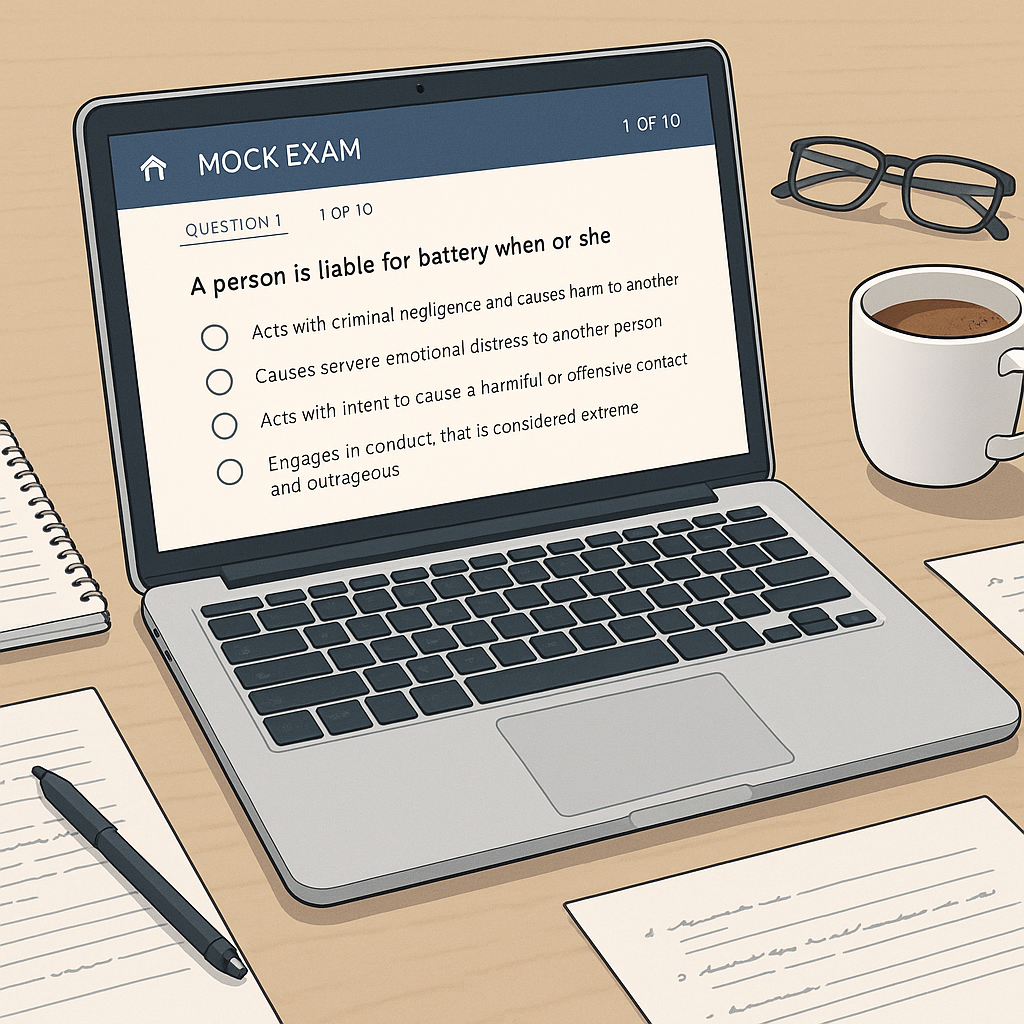
Take the “Exam Mode” feature on SQE1 Drills. It mimics the actual SQE1 format: 180 timed questions split across FLK1 and FLK2 topics. You get a real taste of exam pacing without the £6,000 price tag associated with full prep courses.
What Speakers at LegalEdCon 2026 Are Saying
This year’s lineup includes innovators in legal education technology. One speaker, Dr. Laura Finch, is known for her work on digital learning tools. She’s expected to highlight how gamification and analytics are reshaping exam prep.
We’re betting she’ll talk about streak systems and goal tracking—features designed to build consistency. Platforms like SQE1 Drills already use these techniques. A daily streak tracker ensures you don’t skip practice, while weekly targets keep you focused.
Another speaker, Professor Mark Avery, will likely dive into the importance of weak-topic analysis. This is huge for SQE1 candidates. If you don’t know where you’re scoring below 60%, you’re flying blind. Real-time analytics pinpoint these gaps, so you spend your time on what actually needs improvement.
Putting Theory Into Practice
Listening to LegalEdCon speakers is great, but actionable advice is better. Here’s how to implement what they’re recommending:
- Simulate Exam Conditions Weekly: Use a platform like SQE1 Drills to replicate the timed exam format. Start with one 180-question simulation per week and gradually increase the frequency.
- Track Weak Areas: Don’t just finish drills—review your analytics. If your accuracy in Property Law is tanking, dedicate extra sessions to that topic.
- Build Consistency: Set daily study goals. Even 20 minutes of focused practice adds up.
- Use an AI Tutor: If you’re stuck on why an answer is correct (or incorrect), tools like SQE1 Drills’ AI tutor explain the logic step-by-step.
The Obvious Objection: “Can’t I Do This Without Tech?”
Sure, you could cobble together practice questions from textbooks or forums. But you’ll quickly run into two issues: limited material and no analytics. Once you’ve exhausted the question bank, you’re stuck with repeats. And without performance tracking, you won’t know if you’re improving.
Why SQE1 Simulations Are Worth It
LegalEdCon’s speakers are right—exam simulations aren’t optional; they’re essential. They prepare you for the reality of SQE1, not just the theory. And they’re surprisingly affordable. You don’t need to drop £3,000 on a premium prep course to get exam-ready.
Platforms like SQE1 Drills deliver all this for just £5/month. Unlimited drilling, AI-generated questions, and real-time feedback. If you want to pass SQE1, active recall and timed practice should be your top priorities.
FAQ
Q: How often should I run SQE1 simulations?
A: At least once a week. Increase frequency as you get closer to exam day.
Q: What topics should I focus on?
A: Start with your weakest areas. Use analytics to identify these.
Q: Are AI-generated questions reliable?
A: Yes. On SQE1 Drills, every question is validated against SRA standards to ensure quality.
Q: Can I track my progress over time?
A: Absolutely. Platforms like SQE1 Drills offer drill history, weak-topic detection, and performance graphs.
Q: Is SQE1 Drills worth the cost?
A: At £5/month, it’s a no-brainer for self-funding candidates. You get unlimited practice for less than a coffee.
Decision Framework: Should You Invest in Exam Simulations?
| Criteria | Textbooks + Forums | SQE1 Drills |
|---|---|---|
| Cost | Free or low-cost | £5/month |
| Question Variety | Limited | Unlimited AI-generated MCQs |
| Analytics | None | Real-time performance tracking |
| Exam Simulation | DIY setups only | Full timed, exam-mode drills |
| Ease of Use | Manual effort required | Streamlined digital platform |
Final Thoughts
If you’re preparing for SQE1, don’t underestimate the power of exam simulations. They’re your best shot at mastering pacing, spotting traps, and handling stress. And if you’re looking for a tool to make this easier, SQE1 Drills offers everything you need.
Get started free today → https://sqe1prep.com/