Scholarships Are Vital, But They're Just the Start
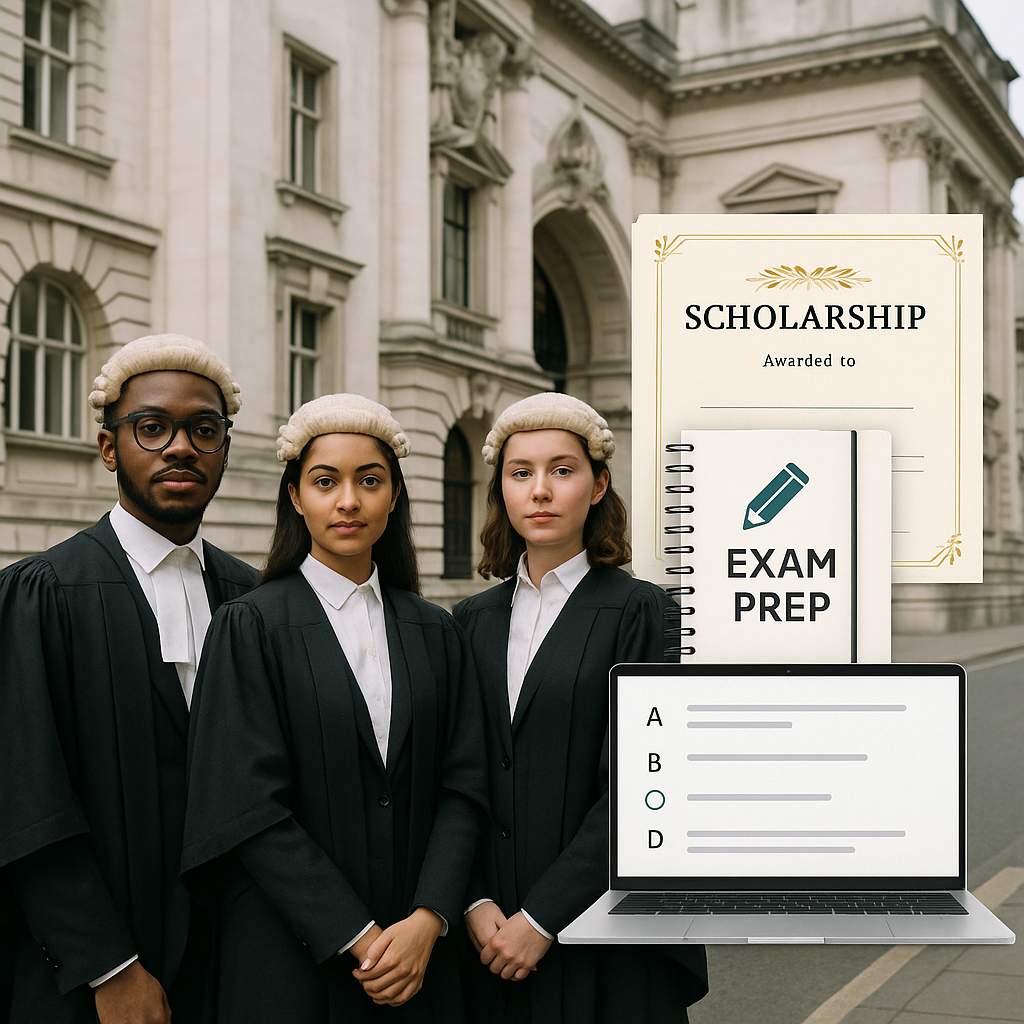
The 11KBW and 39 Essex Chambers scholarship for Black aspiring barristers is a brilliant initiative. It tackles one of the biggest hurdles: funding. In England and Wales, bar courses cost upwards of £16,000, and scholarships like this make the profession more accessible to candidates who might otherwise be shut out. But funding alone won’t solve everything.
Here’s the harsh truth: even with course fees covered, many candidates still struggle with exam prep. Why? Because mastering legal concepts takes more than lectures. It requires consistent practice, targeted drilling, and deep analysis of weak areas. That’s where systems like SQE1 Drills come in.
The Prep Problem No One Talks About
We’ve all heard the stats: the SQE1 pass rate hovers around 53% (SRA). For Black candidates, the numbers are often worse due to structural inequities in education and access. Scholarships help with fees, but they don’t solve the prep problem.
Why Passive Learning Fails
Most premium SQE1 prep courses cost between £3,000 and £6,000, which is out of reach for many self-funded candidates—even with scholarships. And let’s be real: classroom-based courses often rely on passive learning methods, like long lectures, PDFs, and minimal active recall exercises. That’s simply not enough for an exam designed to test the application of knowledge under pressure.
Here’s a concrete example: imagine you’re preparing for FLK1 topics like Tort Law or Constitutional Law. You attend a 2-hour lecture, take notes, and feel pretty confident. But then you try answering timed MCQs (multiple-choice questions) and score 42%. What went wrong?
The issue is a lack of active recall—retrieving information without looking at your notes. Active recall is proven to be one of the most effective learning strategies (Roediger & Butler, 2011). Without consistent practice under exam conditions, it’s much harder to build the skills you need to pass.
Why Weak-Topic Detection Could Save Scores
This is where tools like SQE1 Drills shine. Unlike traditional courses that focus on lecture-heavy learning, this platform prioritizes data-driven improvement. Instead of throwing random questions at you, it uses real-time analytics to pinpoint weak areas—those where your accuracy falls below 60%.
A Practical Example
Let’s say you’re drilling Land Law questions and consistently struggle with easements. A traditional prep course might recommend going back and reviewing the entire Land Law module. But that’s a time sink. SQE1 Drills, on the other hand, isolates the specific subtopic (easements) and tailors your next practice session to focus exclusively on it. This targeted approach saves hours and ensures you’re making measurable progress.
Comparison: Traditional Classroom vs. Data-Driven Tools
| Feature | Traditional Classroom Prep | SQE1 Drills |
|---|---|---|
| Cost | £3,000–£6,000 | £5/month |
| Learning Method | Passive (lectures, slides, PDFs) | Active recall, targeted practice |
| Weak Area Identification | Limited | Real-time analytics |
| Accessibility | Fixed schedule, in-person | On-demand, flexible |
| Motivation | Self-driven | Gamified features (streaks, goals) |
For candidates balancing part-time jobs, caregiving, or other responsibilities, the flexibility and precision of tools like SQE1 Drills are game-changers.
The Role of Gamification in Study Habits
Scholarships ease the financial burden, but they don’t automatically build the discipline and consistency needed to pass exams. This is where gamification—using game-like elements to encourage engagement—can make a real difference.
How Gamification Helps
Platforms like SQE1 Drills include streak counters, weekly goal tracking, and achievement badges. These simple tools work because they tap into the brain’s natural reward system. Seeing a streak grow or earning a badge for completing a drill session creates a small dopamine hit, which reinforces the habit of daily study.
Why does this matter? Because consistent daily practice is non-negotiable for SQE1 success. Even 30 minutes a day adds up over time. It’s like training for a marathon: you don’t start by running 26 miles on day one—you build up to it, one mile at a time.
Research on Gamification
Studies have found that gamification can significantly improve both engagement and retention in educational contexts (Dichev & Dicheva, 2017). For candidates who might already feel isolated or overwhelmed, a gamified approach can make studying feel less daunting.
Could Scholarships Include Prep Tools?
This raises an important question: should scholarships expand to include access to affordable exam prep tools? Consider this: the SQE1 Drills platform costs just £5/month—essentially the price of two coffees. Adding this to scholarship packages would be a small expense with a potentially huge impact.
Case Study: Combining Scholarships with Prep Tools
Imagine a scholarship recipient who receives full funding for their bar course but struggles with self-study. If that scholarship also provided a 12-month subscription to SQE1 Drills, the recipient could afford not only the course but also the resources needed to pass the exam on their first attempt. This holistic approach could drastically improve success rates among scholarship recipients.
What’s Next for Diversity in Law?
The 11KBW and 39 Essex Chambers scholarship is a step in the right direction. But scholarships alone won’t fix the legal profession’s diversity problem. What’s needed is a multi-pronged approach:
- Financial aid: Scholarships to cover tuition and exam fees.
- Mentorship: Pairing candidates with experienced barristers for guidance.
- Exam prep tools: Providing access to affordable, data-driven platforms like SQE1 Drills.
- Community support: Creating peer networks to combat isolation during study.
Financial access is only the beginning. Success requires systems that support candidates through every stage of their journey—from funding to exam day.
FAQ: Common Questions About Scholarships and Prep Tools
Q1: Are scholarships enough to succeed in the legal profession?
No, scholarships are crucial for financial access, but success also requires mentorship, effective study tools, and community support. Without these, many candidates still face significant barriers.
Q2: What’s the best way to prepare for the SQE1 exam?
The most effective approach combines active recall (e.g., through platforms like SQE1 Drills), consistent practice, and targeted weak-topic analysis. Avoid relying solely on passive methods like lectures or PDFs.
Q3: How can I balance work and SQE1 prep?
Use flexible, on-demand tools that support short, focused study sessions. Platforms with gamification features can help you stay motivated and track progress, even with a busy schedule.
Q4: Why do Black candidates have lower SQE1 pass rates?
Structural inequities in education and access to resources play a significant role. Scholarships and affordable prep tools are essential to leveling the playing field.
Q5: Is SQE1 Drills better than traditional prep courses?
It depends on your needs. SQE1 Drills is cost-effective, flexible, and data-driven, making it ideal for self-studying candidates. Traditional courses may offer more structure but often lack the granular analytics needed for targeted improvement.
If you’re preparing for SQE1 and struggling to balance cost and quality, SQE1 Drills offers unlimited targeted practice for just £5/month. Get started free →