Why Your Career Change to Law Essay Needs a Personal Hook
So, you’ve decided to switch careers into law. Great choice—except now you’re staring at the blank page, wondering how to explain your story in a way that’ll actually impress. Career change essays are tricky. Too generic, and you risk sounding like everyone else. Too personal, and it can come off as irrelevant.
Here’s the secret: your essay needs a hook that connects your past career to your future in law in a way that feels inevitable. It’s not just about saying, “I want to become a solicitor.” It’s about showing how your skills, experiences, and mindset from your current field make you a perfect fit for legal practice.
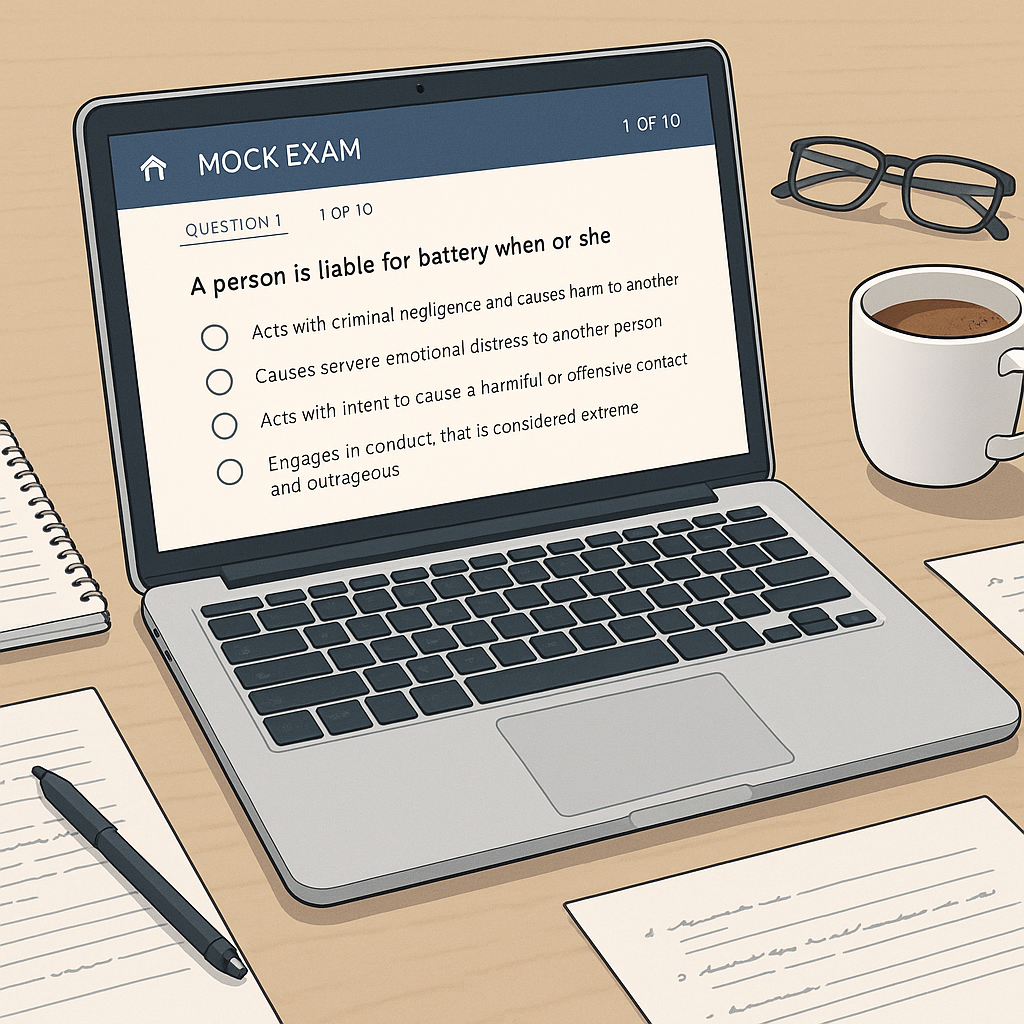
But crafting the perfect hook isn’t always easy. That’s where structured preparation—like weak-topic detection in your SQE1 studies—can help. Let me explain.
What Makes a Career Change Essay Stand Out?
Admissions tutors and employers reading your essay aren’t just looking at your writing skills (though those matter). They’re asking themselves two questions:
- Does this person have a clear reason for changing careers?
- Do they have the skills and determination to succeed in law?
A strong essay answers both. For example, if you’re coming from a background in finance, don’t just say, “I’m good with numbers.” Instead, describe how your experience analyzing financial contracts taught you the importance of precise legal language—and how that aligns with your interest in commercial law.
Actionable Steps to Structure Your Essay:
-
Start with a specific moment: What sparked your interest in law? Maybe it was a work project, a personal experience, or even something you read. For instance, a project where you negotiated a complex deal in your previous career might have opened your eyes to the importance of contract law.
-
Bridge your past and future: Explain how your current career has given you transferable skills. Be specific. For example, a nurse transitioning into medical negligence law might focus on their firsthand understanding of patient care and hospital systems.
-
Close with your legal ambitions: Show that you’ve done your homework. Mention the SQE1, the area of law you’re drawn to, or your plans for Qualifying Work Experience (QWE). Highlight how you are already taking steps to prepare for the transition.
Real-World Example: Finance to Commercial Law
Let’s say you worked in investment banking and are transitioning into law. Instead of vaguely mentioning “an interest in corporate transactions,” you could write about a specific deal where you collaborated with legal counsel. You could explain how seeing the legal team’s role inspired you to pursue a career where you could merge your financial expertise with your newfound passion for legal problem-solving.
How SQE1 Weak-Topic Drills Can Sharpen Your Essay
You might be thinking, “What does SQE1 prep have to do with my career change essay?” More than you’d expect. Here’s why:
When you’re preparing for the SQE1, you need to focus on your weakest areas to make real progress. Weak-topic detection is a feature we use at SQE1Prep to help candidates identify exactly where they’re struggling—whether it’s Contract Law, Tort, or Trusts.
The same principle applies to your essay. If you don’t address the weakest part of your story (e.g., why you’re switching careers or what skills you bring), you’ll leave doubts in the reader’s mind.
Common Weak Points in Career Change Essays:
-
Why leave your current career?
- Don’t avoid this question. Address it head-on. For instance, a teacher might explain that while they loved educating students, they wanted to tackle systemic issues in education policy, which inspired their move into public law.
-
How will your skills transfer?
- Be detailed. If you worked in customer service, don’t just say you’re “good with people.” Highlight how you developed conflict resolution skills, which are crucial for client advocacy in law.
-
Do you understand the demands of law?
- Show that you’ve researched what it takes to succeed. Mentioning your SQE1 preparation or any legal work experience can demonstrate your commitment.
Case Study: Teacher to Family Law
Take Sarah, a primary school teacher transitioning into family law. Her initial essay draft was vague: “I’ve always wanted to help families.” We worked with her to refine her story:
- Start with a story: Sarah wrote about a time when she supported a student through a custody battle. Seeing how the legal system impacted the family inspired her to pursue family law.
- Bridge the gap: She explained how her teaching experience gave her unique insights into child welfare and communication with families in crisis.
- Show commitment: Sarah highlighted her SQE1 studies and how she’s focused on Family Law and Trusts to prepare for her new career.
The final essay was compelling because it addressed potential doubts (Why leave teaching? How do your skills transfer?) while painting a clear picture of Sarah’s future in law.
FAQs
1. What if I don’t have a dramatic career change story?
That’s fine. You don’t need drama; you need clarity. Focus on transferable skills and your genuine interest in law. For example, an HR professional might write about their experience resolving workplace disputes and how it inspired their interest in employment law.
2. How long should my career change essay be?
Keep it concise—500-700 words is usually enough. However, every sentence should serve a purpose. Avoid filler and focus on making a strong, logical case for your career change.
3. Should I mention SQE1 in my essay?
Yes, if it’s relevant. For example, you could mention how studying for SQE1 has given you insights into specific areas of law you’re passionate about. This shows both preparation and commitment.
4. What if I lack direct legal experience?
That’s not a dealbreaker. Focus on transferable skills from your current career. Additionally, consider mentioning any legal shadowing, pro bono work, or online courses you’ve completed to demonstrate initiative.
5. How do I make my essay stand out from others?
Start with a personal story or unique angle. Avoid clichés like “I’ve always been passionate about justice.” Instead, focus on specific examples that connect your past career to your future in law.
Comparison Table: Weak vs. Strong Career Change Essays
| Aspect | Weak Essay | Strong Essay |
|---|---|---|
| Reason for Change | “I’ve always been interested in law.” | “Working on [specific project] sparked my interest in intellectual property law.” |
| Transferable Skills | “I’m good at problem-solving.” | “My experience in IT has taught me to analyze complex systems, which translates to legal problem-solving.” |
| Commitment | “I want to be a solicitor.” | “I’ve started SQE1 prep and completed shadowing at a local law firm.” |
| Personal Hook | Generic opening statement | Specific story or example that ties past career to legal ambitions. |
Ready to Sharpen Your SQE1 Skills?
If you’re serious about your legal career, targeted SQE1 practice can make all the difference. SQE1Prep offers weak-topic detection, AI-generated questions, and real-time analytics to help you focus where it matters most. Get started free →