AI Tools in Legal Practice: A Step Forward, But Not the Whole Solution
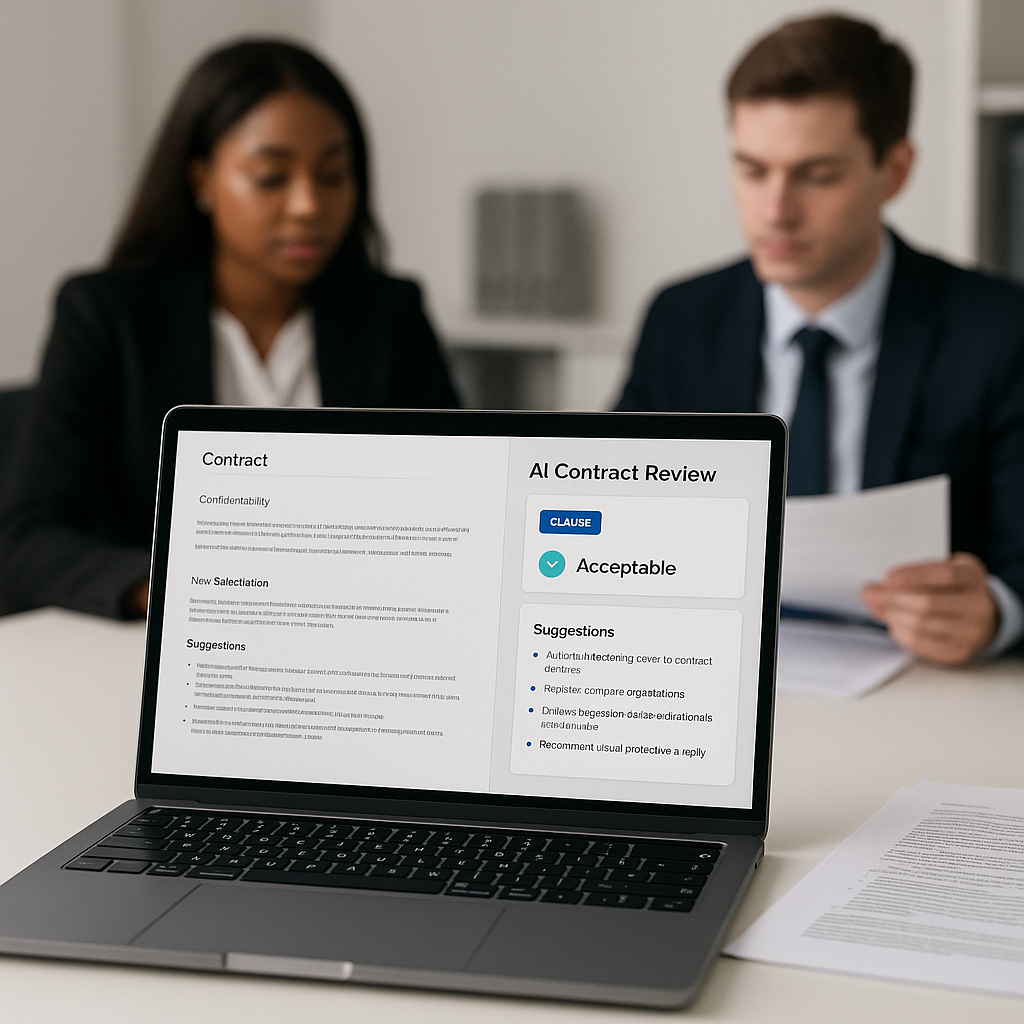
AI-powered tools are increasingly being used in legal practice to streamline tasks like contract review. These tools can help junior lawyers work more efficiently by flagging risks, suggesting revisions, and simplifying jargon. However, they don’t address a critical issue: gaps in foundational legal knowledge. Let’s explore why this matters and how junior lawyers can bridge these gaps.
Junior Lawyers Struggle with Basics
AI tools are impressive for handling repetitive tasks, but they can’t replace a lawyer’s understanding of legal principles. For instance, when an AI tool flags a clause as risky, the lawyer still needs to understand why it’s problematic under the law or how a precedent might affect its enforceability. This requires a solid grasp of core legal knowledge, which many junior lawyers find challenging.
The Solicitors Qualifying Examination (SQE1) is designed to test this foundational knowledge, covering areas like contract law, constitutional law, and more. However, many candidates struggle to pass on their first attempt. A common reason is over-reliance on passive learning methods, such as watching lectures, instead of engaging in active recall practices that reinforce understanding.
What AI in Legal Practice Can’t Teach
While AI tools are excellent for efficiency, they can’t teach junior lawyers the "why" behind legal concepts. This is where targeted learning tools come into play. For example, platforms that focus on active recall and weak-topic detection can help aspiring solicitors identify and address their knowledge gaps.
How Weak-Topic Drills Fill the Knowledge Gap
Junior lawyers often juggle work and study, leaving little time for inefficient study methods. Weak-topic drills offer a focused approach to learning by identifying areas where a learner struggles and providing targeted practice.
Here’s how it works:
- Pinpoint Knowledge Gaps: Analytics highlight subjects where performance is weaker, such as restitution in contract law or proprietary estoppel in land law.
- Targeted Practice: Instead of revising all topics, learners concentrate on their weakest areas.
- Active Recall: By answering questions, making mistakes, and learning from them, learners retain information more effectively.
This method not only helps candidates pass the SQE1 but also builds a strong knowledge base for their legal careers.
AI Tools Highlight the Real Problem
AI tools in legal practice are a step forward in efficiency, but they also underscore the importance of a solid foundation in legal knowledge. Without this foundation, junior lawyers may struggle to interpret AI-generated insights or explain legal concepts to clients.
For those preparing for the SQE1, addressing knowledge gaps early is crucial. Affordable and targeted prep tools that focus on active recall can make a significant difference in both exam performance and long-term career success.
FAQ
- Can I use free SQE1 materials online?
Free resources can be helpful, but they often lack depth and don’t provide feedback on performance. Targeted platforms offer adaptive learning tailored to your needs. - Why is active recall important?
Active recall strengthens memory retention by requiring you to retrieve information, rather than passively consuming it. This makes it a more effective study method. - How do targeted tools compare to comprehensive courses?
Comprehensive courses can be valuable but are often expensive. Targeted tools focus on specific weaknesses, offering a cost-effective way to improve performance.
Takeaway
AI tools are transforming legal practice, but they don’t address the foundational knowledge gaps that many junior lawyers face. By using targeted learning methods, aspiring solicitors can build the skills they need to succeed in both the SQE1 and their legal careers.