Is AI Really a Threat to Trainee Lawyers?
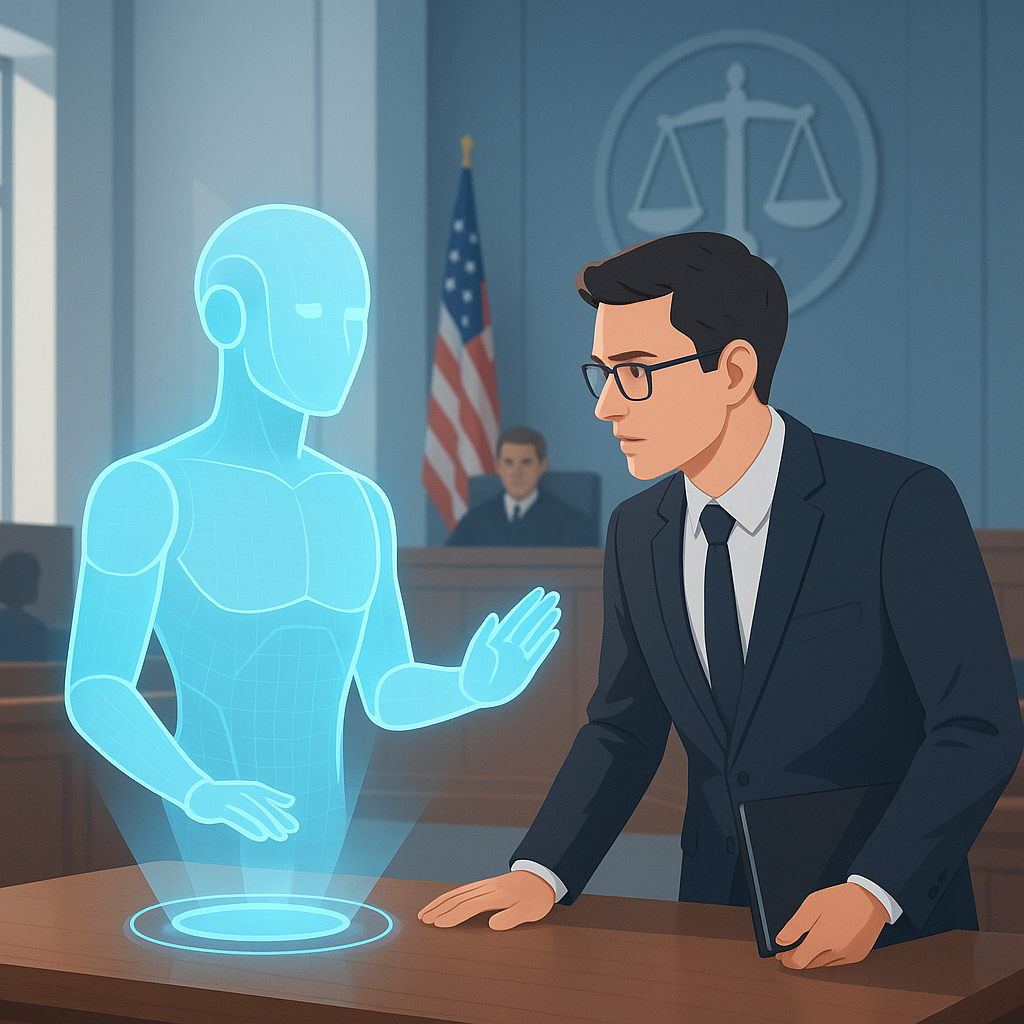
AI is undeniably changing the legal profession. Many firms are adopting AI tools like Kira and Luminance to automate tasks traditionally handled by junior associates, such as document review, contract analysis, and due diligence. While this might seem like a threat to aspiring solicitors, the reality is more nuanced. AI is not replacing trainee lawyers; it is redefining their roles and the skills they need to succeed.
The Shift from Doers to Thinkers
Law firms increasingly value lawyers who not only understand the law but also know how to work with AI tools. This involves recognizing the limitations of AI and applying legal principles to the insights these tools generate. For instance, while AI can flag unusual clauses in a contract, it cannot determine whether a clause is enforceable under specific legal systems. That requires a deep understanding of legal principles and critical thinking skills.
Why AI Might Actually Increase Trainee Numbers
AI has the potential to make legal services more affordable and accessible, which could lead to more opportunities for trainee lawyers. For smaller firms, AI can reduce the overhead associated with repetitive tasks, enabling them to take on more clients and cases. This increased capacity might encourage these firms to hire more trainees. Additionally, AI simplifies cross-border legal work, potentially increasing demand for lawyers qualified in multiple jurisdictions.
What Candidates Need to Focus On
If you’re preparing for exams like the SQE1, it’s important to focus on building a strong foundation in legal principles. AI tools in the legal profession are designed to enhance efficiency, not to replace the need for a solid understanding of the law. The SQE1 exam, for example, tests your ability to apply legal principles to specific scenarios — a skill that AI cannot replicate.
To prepare effectively:
- Use active recall techniques. This method involves testing yourself on material to reinforce your memory and understanding. Tools that provide targeted practice questions and explanations can be particularly helpful.
- Simulate exam conditions. Practice under timed conditions to build the endurance and decision-making skills needed for lengthy exams.
- Focus on weak areas. Identify topics where you need improvement and dedicate time to mastering them.
FAQ
Q: Will AI replace lawyers entirely?
A: No. AI is excellent at automating repetitive tasks but lacks the ability to interpret legal nuances or make judgment calls. Lawyers will continue to play a critical role in applying and interpreting the law.
Q: Can AI help me prepare for legal exams?
A: AI-driven tools designed specifically for exam preparation can be helpful, but success ultimately depends on your effort and understanding of the material.
Q: What’s the biggest mistake candidates make when preparing for exams like the SQE1?
A: Neglecting weak topics. Many candidates focus on areas they are already comfortable with, rather than addressing their weaker areas.
Q: Does AI make legal exams easier?
A: No. Legal exams test your understanding of principles and application, not your ability to use AI tools.
Q: What’s the best way to build study discipline?
A: Use structured tools and systems that encourage consistent study habits, such as progress tracking and goal-setting features.
The Bottom Line
AI is not here to eliminate trainee lawyers but to push the profession to evolve. Firms that invest in both AI and the people who can effectively use it will thrive. Aspiring lawyers who focus on building strong legal foundations and adapting to this AI-enhanced landscape will be well-positioned for success.