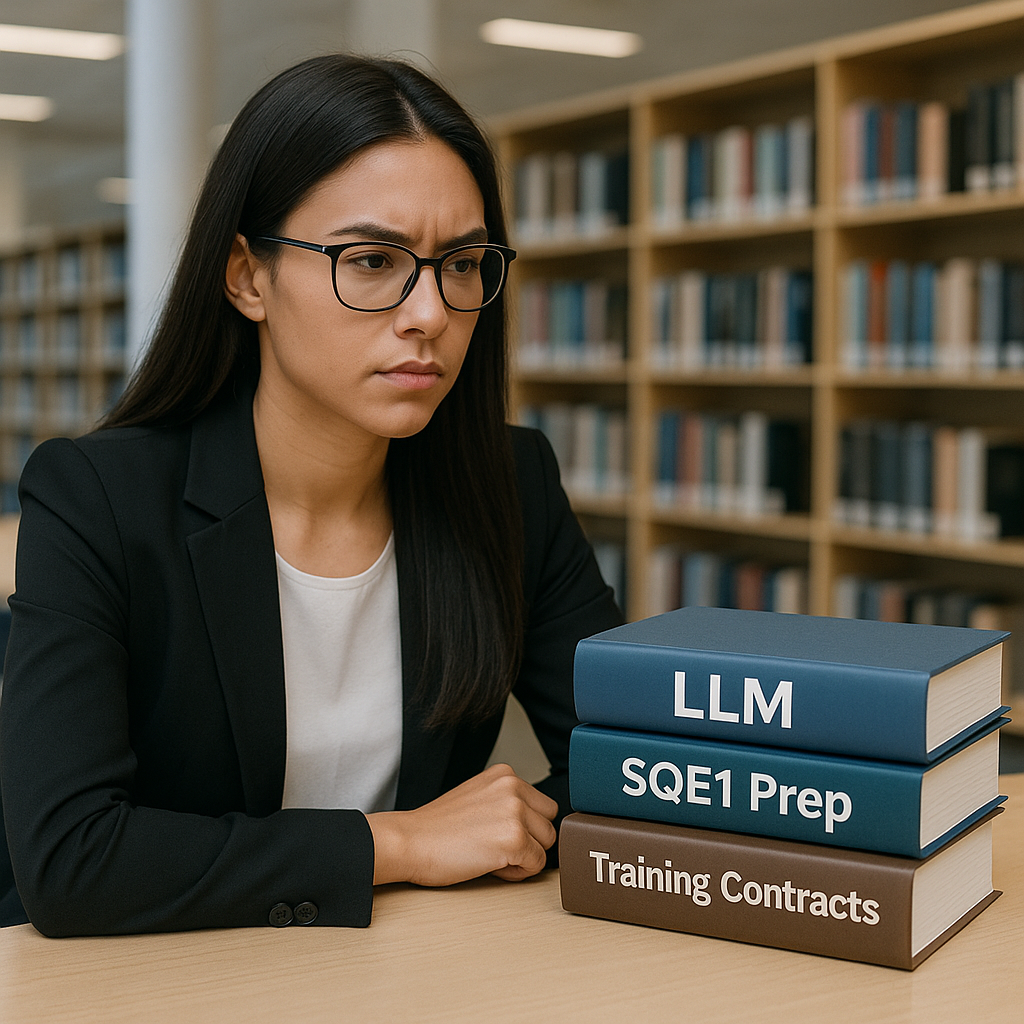
Can a Master's Degree Help Offset a 2:2 for a Training Contract?
If you’re asking this question, you’re not alone. Many aspiring solicitors with a 2:2 (even from well-regarded universities) wonder if pursuing a master’s degree will give them the edge they need to secure a training contract. The legal job market can feel competitive, especially when you’re up against candidates with firsts and 2:1s. But a master's degree isn’t always the definitive solution.
Let’s break this down.
The Case for a Master's Degree
A master’s degree, such as an LLM, can strengthen your CV. It signals to employers that you’re serious about your legal career and willing to enhance your academic credentials. Specializing in a niche area like tech law or international arbitration might also help you stand out in a crowded field.
However, a master’s won’t erase a 2:2. Law firms increasingly evaluate candidates holistically. They look beyond grades to assess practical experience, commercial awareness, and evidence of your ability to handle the demands of the job. The introduction of the Solicitors Qualifying Examination (SQE) has also shifted the focus toward demonstrating practical legal knowledge and skills rather than relying solely on academic history.
So, should you pursue a master’s? It depends on your circumstances. If you’re self-funding and concerned about the cost, there may be more strategic ways to invest in your future.
Why the SQE Could Be a Game-Changer
The SQE route offers a more accessible pathway for aspiring solicitors. Unlike the previous Legal Practice Course (LPC), which often required a strong academic record, the SQE focuses on your ability to apply legal knowledge. This means that even candidates with a 2:2 can demonstrate their competence by passing the exams.
Success in the SQE requires consistent and targeted preparation. Mastering the Functioning Legal Knowledge (FLK) syllabus is key, and active recall methods can be particularly effective for retaining information. Identifying and addressing weak areas early in your preparation is crucial.
Building a Strong Profile
If you have a 2:2, it’s essential to focus on other aspects of your application to stand out. Here are some strategies:
-
Gain Quality Work Experience: Paralegal roles, legal internships, or volunteering at legal clinics can demonstrate your ability to handle client work, meet deadlines, and think critically.
-
Network Strategically: Attend law fairs, join professional groups, and connect with trainees or associates at your target firms. Networking can open doors that a CV alone might not.
-
Excel in the SQE: Strong performance in SQE1 and SQE2 can showcase your legal knowledge and practical skills. Consistent practice and mock exams are essential for success.
-
Craft Strong Applications: Mitigating circumstances for a 2:2 should be explained clearly and briefly. Focus on your strengths, such as work ethic, unique experiences, and skills gained outside academics.
-
Consider Regional and Smaller Firms: While City firms may have stricter academic requirements, regional and high-street firms may be more open to candidates with diverse backgrounds. These firms can offer excellent opportunities for career growth.
The Role of Active Recall in SQE Preparation
One common mistake SQE candidates make is relying on passive study methods like re-reading notes or watching lectures. Active recall, which involves retrieving information from memory, is a more effective way to retain knowledge. Regular practice with mock exams and targeted drills can help you identify and address weak areas in your preparation.
Common Questions About Training Contracts and 2:2 Degrees
Q: Do I need a master’s degree to get a training contract with a 2:2?
A: Not necessarily. A master’s can help, but it’s not the only way to strengthen your application. Focus on work experience, SQE results, and crafting a compelling personal narrative.
Q: Will law firms consider my application with a 2:2?
A: Yes, many will — especially if you can demonstrate strong mitigating circumstances or compensate with other strengths like relevant experience or outstanding SQE performance.
Q: How can I improve my chances of passing SQE1?
A: Consistent, focused practice is key. Use active recall techniques and take regular mock exams to simulate real test conditions.
Q: Should I focus on regional firms instead of the City?
A: Regional firms can be a great option for candidates with a 2:2. They may have less stringent academic requirements and offer competitive opportunities for career growth.
Q: What’s the return on investment for a master’s degree?
A: It depends on your goals and financial situation. If you can afford it and choose a niche area aligned with your career aspirations, it might be worth it. Otherwise, focus on passing the SQE and gaining practical experience.
The Bottom Line
A 2:2 might feel like a hurdle, but it’s not the end of the road. Whether or not you pursue a master’s degree, you can still secure a training contract by focusing on practical skills, networking, and excelling in the SQE. By building a well-rounded profile, you can demonstrate your potential to prospective employers and take meaningful steps toward your legal career.