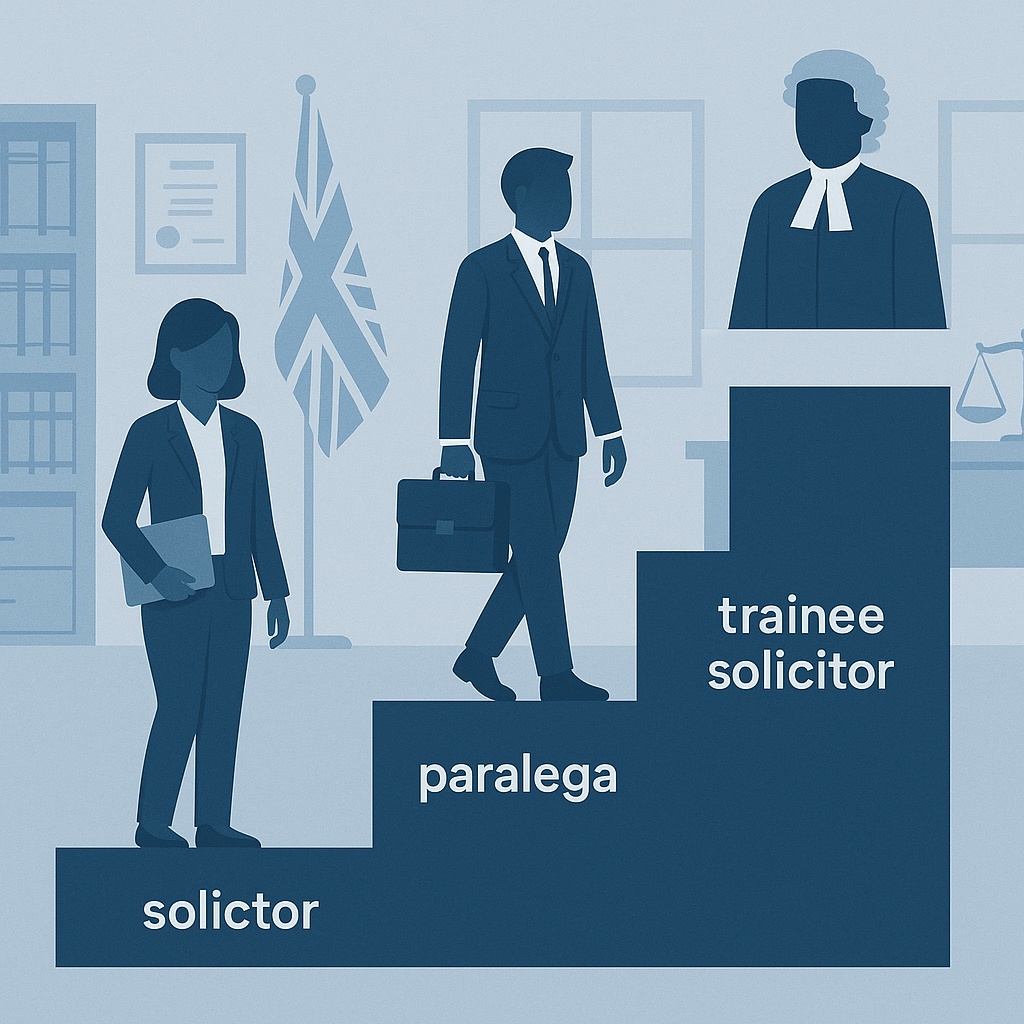
Stuck in the Pupillage Grind? You’re Not Alone
Let’s start with the brutal truth: missing pupillage multiple years in a row doesn’t mean you’re not capable. It means the system is stacked against you. With over 3,300 applicants chasing fewer than 500 pupillages annually[^1], the odds are worse than getting a Glastonbury ticket during presale. Four years of rejections? That’s not a reflection of your ability — it’s a reflection of the bottleneck.
So, is it worth continuing? Maybe. But maybe there’s a smarter, more realistic path forward. The rise of the Solicitors Qualifying Examination (SQE) has opened up new opportunities for those who’ve been stuck on the hamster wheel of pupillage applications. Why not qualify as a solicitor instead?
The SQE Route: A Viable Alternative
The SQE is often seen as the solicitor’s answer to the barrister’s pupillage. But here’s the kicker: you don’t need chambers to sign off on your qualification. The two-stage exam (SQE1 and SQE2) allows you to qualify through Qualifying Work Experience (QWE), which is far easier to secure than a formal pupillage. Think paralegal roles, in-house legal work, or even volunteering at legal clinics.
Let’s break it down:
- Cost: Pupillage applications cost you time and, let’s be honest, your sanity. The SQE1 exam fee is £1,622[^2]. Add affordable prep tools like SQE1 Drills (£5/month), and you’re investing in a clear, structured path forward, not just another round of rejections.
- Control: You’re in charge of your timeline. No more waiting for someone else to say yes. Pass SQE1, log your QWE, and move on to SQE2.
- Flexibility: You can study while working, unlike pupillage, which often requires you to drop everything.
Key Differences Between Pupillage and the SQE Route
| Aspect | Pupillage | SQE Route |
|---|---|---|
| Competition | 3,300+ applicants for <500 spots annually[^1] | No formal cap on QWE opportunities |
| Cost | Varies (travel, application fees, unpaid time) | SQE1: £1,622; SQE2: £2,493[^2] |
| Timeline | 1-year pupillage post-Bar exams | Flexible, depends on your pace |
| Work Experience | Requires chambers’ approval | QWE: Any relevant legal work can count |
| Career Path | Barrister | Solicitor |
| Study Flexibility | Full-time commitment post-Bar Course | Can combine work and study |
Practical Steps to Pivot from Pupillage to SQE
Here’s a roadmap to get started:
1. Assess Your Readiness for SQE1
SQE1 tests your legal knowledge across two papers (FLK1 and FLK2). If you’ve already completed a law degree or GDL, you’ve got a head start. But don’t underestimate it — the pass rate hovers around 58%[^3]. Active recall is key here, not passive reading.
Platforms like SQE1 Drills can help you identify your weak spots with real-time analytics. For example, if your accuracy in Tort Law questions is hovering at 40%, the system flags this so you can focus your revision there. This targeted approach is miles ahead of traditional prep courses that spread your effort too thin.
2. Secure Qualifying Work Experience (QWE)
Unlike pupillage, QWE isn’t limited to a specific structure. You can count up to four roles, as long as they provide legal experience. Think paralegal jobs, legal aid clinics, or even in-house positions at corporates.
Actionable Steps to Find QWE:
- Job Boards: Search for “SQE-friendly” roles on Indeed, LinkedIn, and specialist legal job sites like Simply Law Jobs.
- Cold Outreach: Reach out to smaller law firms or in-house legal teams offering paralegal or legal assistant roles. Even volunteering at a Citizens Advice clinic can count.
- Networking: Attend legal career fairs and events. Many firms are now explicitly listing SQE1 completion as a requirement for their paralegal roles[^4].
3. Choose Affordable Prep Tools
Let’s talk money. Premium prep courses for SQE1 can cost upwards of £3,000 (hello, BARBRI). But if you’re self-funding, that’s a hard pill to swallow. Affordable platforms like SQE1 Drills offer unlimited MCQ practice for just £5/month[^5].
Here’s the kicker: their question bank grows by 100 new MCQs every night, ensuring you never run out of material. Plus, the AI tutor explains why answers are right or wrong, so you’re not just memorizing — you’re learning.
4. Simulate the Exam
One major reason candidates fail the SQE1 is poor exam technique. It’s a grueling multiple-choice marathon: 180 questions per paper, timed to the second. Practicing under exam conditions is non-negotiable.
Pro Tip: Use SQE1 Drills’ Exam Mode to replicate the real testing environment. Complete with a timer and keyboard shortcuts for rapid answering, it’s like running a marathon — you wouldn’t wing it on race day without training, right?
5. Build Consistent Study Habits
Consistency trumps cramming. It’s tempting to binge-study a week before the exam, but that’s a recipe for burnout. Instead, aim for daily 30-minute drill sessions. Tools with gamification features, like study streaks and weekly goals, can keep you motivated.
Success Stories: From Rejection to Qualification
Not convinced? Let’s talk about Isobel Brock. She’s a paralegal from Leeds who failed to secure pupillage three years in a row. Frustrated but determined, she pivoted to the SQE route. She found SQE1 Drills organically, signed up for the 30-day free trial, and completed four drills in her first session. Her initial accuracy wasn’t great (56%), but the platform’s weak-topic detection helped her focus on Property Law & Practice, her weakest area[^6].
Fast forward a year: Isobel passed SQE1 on her first attempt and is now completing her QWE with a regional law firm. “I wish I’d done this sooner,” she said.
Another example is Raj Patel, a former GDL student who made the switch after two years of pupillage rejections. He now works in-house for a tech startup, counting his QWE toward qualification while earning a competitive salary.
FAQ: Common Questions About Switching to the SQE Route
1. Can I still become a barrister after qualifying as a solicitor?
Yes, but it’s not straightforward. You’d need to apply for a transfer and complete a Barristers’ Transfer Test. However, many find that their solicitor qualification opens up equally rewarding career paths.
2. How long does it take to qualify via the SQE route?
The timeline is flexible. On average, candidates take 1-2 years to complete SQE1, SQE2, and their QWE, depending on their study and work commitments.
3. Is QWE harder to secure than a pupillage?
Not at all. QWE can include paralegal roles, in-house positions, or even volunteering, making it far more accessible than pupillage.
4. What if I fail SQE1?
You can retake it, but each sitting costs £1,622. This is why targeted practice and preparation are crucial to passing on your first attempt.
5. Are employers valuing SQE-qualified solicitors?
Yes, increasingly so. Many firms are adapting to the SQE framework and actively seeking candidates who have passed SQE1 or SQE2.
Is It Worth Continuing?
That depends on you. If your heart is set on the Bar, then keep going. But if the endless cycle of rejections is draining your confidence, pivoting to the SQE route could be the fresh start you need.
The legal profession is changing. Firms are increasingly open to SQE-qualified solicitors, and the flexibility of QWE means you can build your career on your terms. The question isn’t whether you’re good enough. It’s whether you’re willing to adapt.
If you’re ready to take control of your legal career, SQE1 Drills can help. Start your 30-day free trial today and master the exam with targeted, AI-powered practice. Get started free →
[^1]: Bar Standards Board, 2022 Statistics. [^2]: SRA SQE Costs Breakdown. [^3]: Kaplan SQE1 Candidate Data. [^4]: LinkedIn Job Search Trends, 2023. [^5]: SQE1 Drills Pricing. [^6]: Isobel Brock, Personal Interview.