Forgetting Is the Enemy of Exam Prep
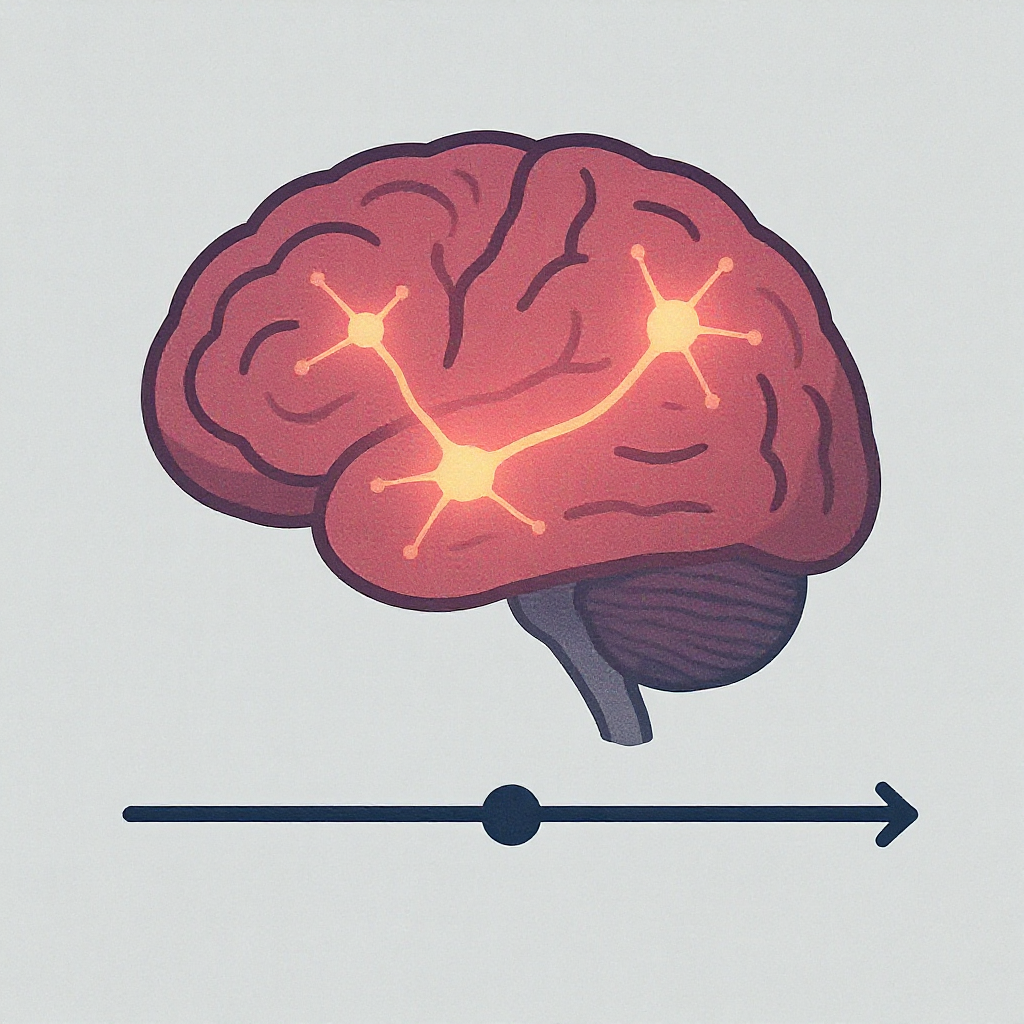
We’ve all been there. You read a page of notes, feel confident, then a week later it’s gone. This isn’t just you — it’s science. The forgetting curve, first identified by psychologist Hermann Ebbinghaus, shows how quickly we lose new information. Without revisiting it, you’ll forget most of what you learned in a matter of days.
But here’s the good news: spaced repetition fights the forgetting curve. Instead of cramming, you revisit the same material at increasing intervals. Each review strengthens your memory and slows down forgetfulness. By the time exam day comes, key concepts stick.
Why It’s Perfect for SQE1
The SQE1 exam isn’t just tough — it’s massive. With over 300 practice questions per session, you’re juggling legal principles, case law, and procedural rules. Spaced repetition isn’t just helpful here. It’s essential.
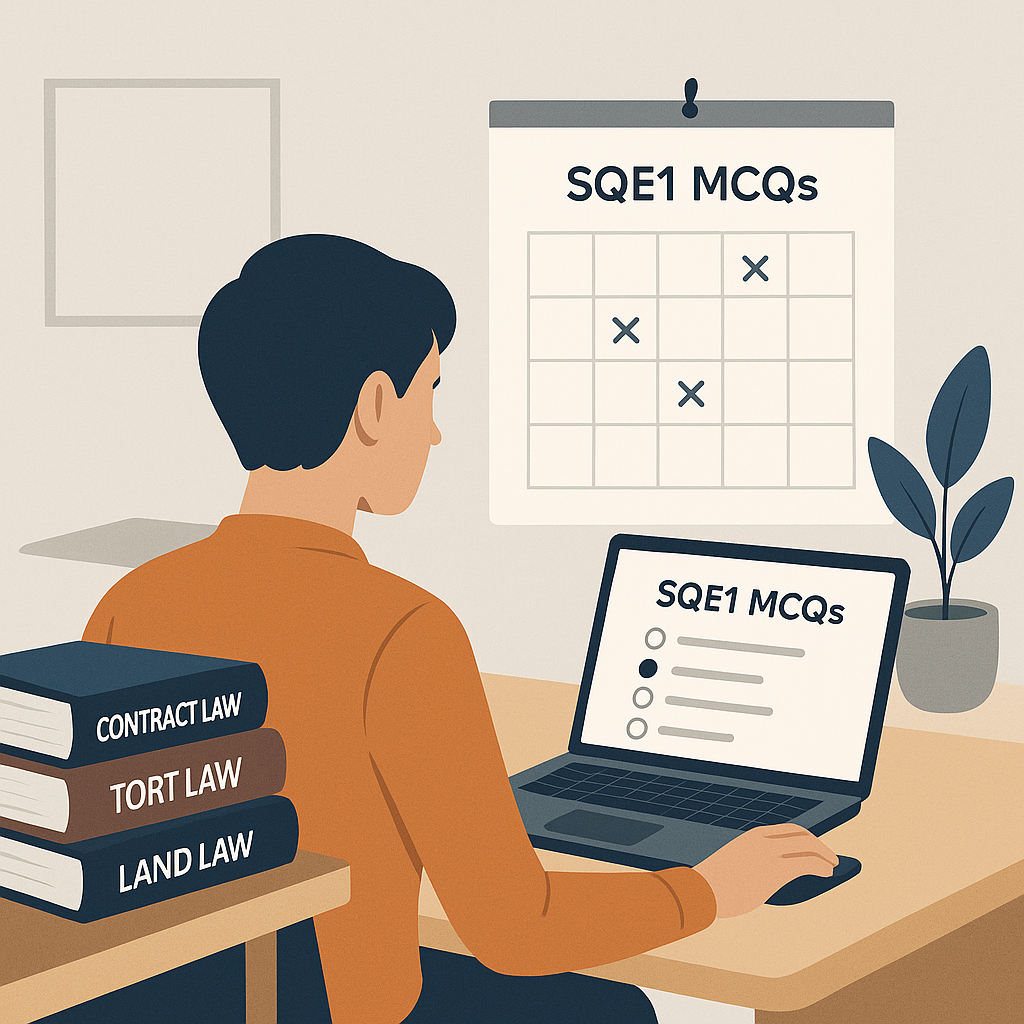
Take contract law as an example. You might learn about offer and acceptance today, but it’s easy to forget the nuances unless you revisit them. Spaced repetition ensures you review those tricky areas just before they start slipping from memory. And for SQE1, where MCQs demand precision, missing small details can cost marks.
How SQE1Prep Uses Spaced Repetition
This is where SQE1Prep shines. The platform doesn’t just dump thousands of MCQs on you and hope for the best. It tracks your weak areas and schedules questions strategically, using spaced repetition principles. Struggle with tort negligence? SQE1Prep doesn’t let you forget it — it’ll keep those questions coming back at just the right intervals.
What’s smarter is how it uses analytics. If you’re consistently nailing employment law questions, you won’t waste time revisiting them every day. But if you’re shaky on trusts, the system prioritizes those questions until you improve. It’s personalized and efficient, saving you hours of aimless studying.
Common Objections to Spaced Repetition
You might be thinking: this sounds too rigid. What if I don’t have time to follow a strict schedule? The beauty of spaced repetition is flexibility. You don’t need to stick to exact intervals to see the benefits. Even revisiting questions weekly, instead of daily, improves retention dramatically. Research shows spaced repetition works whether you’re studying hourly or sporadically.
Another concern we hear: Will it work for subjective topics? While spaced repetition is famous for facts and dates, it’s surprisingly effective for legal reasoning too. By repeatedly working through MCQs that simulate real exam scenarios, you train your brain to approach problems systematically. That’s invaluable for SQE1.
Don’t Just Study — Train
Spaced repetition isn’t magic, but it’s as close as we’ve got in the world of learning science. And when paired with a tool like SQE1Prep, you’re not just studying — you’re training your brain to excel under exam conditions. Imagine walking into your SQE1 knowing you’ve tackled your weak spots, drilled them, and truly mastered the material.
Give it a try. It might just change how you prep forever.
Ready to see SQE1Prep in action?
AI-powered SQE1 exam preparation platform with focused MCQ drills, real-time analytics, weak-topic detection, and an AI tutor — from just £5/month.
Get Started Free →