Most People Study for SQE1 All Wrong
Let’s get straight to it: passive revision (like re-reading notes or highlighting textbooks) doesn’t work. It feels productive, but it’s not. Studies show that active recall — forcing your brain to retrieve information — is far more effective for long-term retention and exam performance (ScienceDirect). So why do so many people stick to bad habits?
The main reason? Active recall is harder. It’s uncomfortable. Nobody likes failing practice questions or realizing they don’t know something they thought they did. But here’s the thing: that discomfort is exactly what makes it effective.
What Does Active Recall Look Like for SQE1?
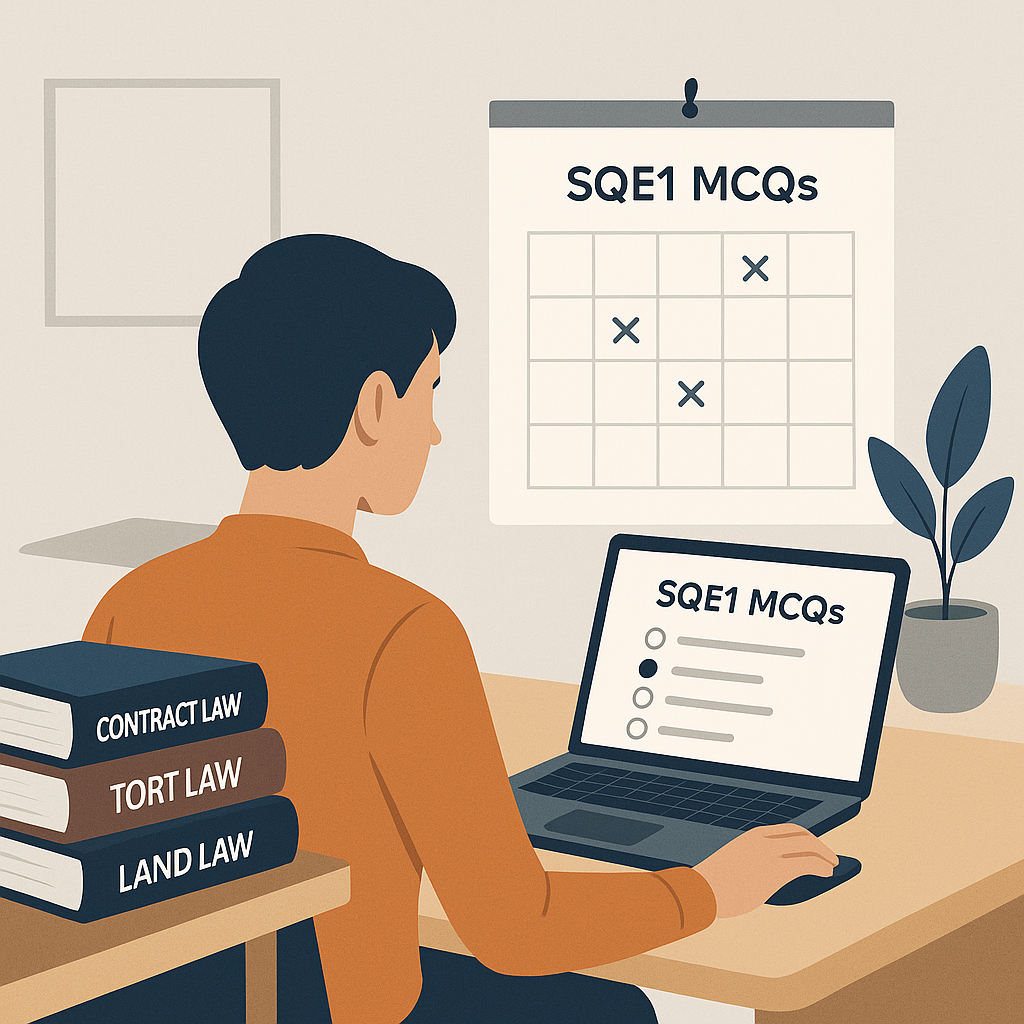
For SQE1, active recall revolves around answering single-best-answer MCQs. These mirror the exam format — 360 questions across two papers (FLK1 and FLK2). You’re not just reviewing what you’ve learned. You’re applying it in context, which is what the Solicitors Regulation Authority (SRA) actually tests.
Let’s say you’re revising Contract Law. Instead of skimming a summary of Carlill v Carbolic Smoke Ball Co, you tackle a question like this:
Question: A company advertises a reward for anyone who uses their product and still contracts influenza. A customer follows the instructions but gets sick. Can they claim the reward?
- Yes, because unilateral offers are binding if the terms are fulfilled.
- No, because the advertisement wasn't serious.
- Yes, because all advertisements are legally binding.
- No, because the offer was too vague to be valid.
Answering this question forces you to think critically. You can’t just regurgitate facts; you need to apply legal principles to a scenario. And when you check the explanation, you’re reinforcing what you got right (or correcting what you got wrong). That’s active recall.
Why Practice Questions Are the Backbone of SQE1 Prep
Here’s a hard truth: the SQE1 pass rate is only around 53-56% (SRA). Most candidates who fail don’t lack knowledge — they struggle to apply it under exam conditions. That’s why hammering out practice questions, especially under timed conditions, is non-negotiable.
But there’s a catch. Most question banks are limited. Once you’ve gone through them, you’re stuck redoing the same questions. That’s where platforms like SQE1 Drills come in. With 100 new AI-generated questions added daily, you’ll never run out of fresh material to test yourself. And because every question aligns with the SRA syllabus, you’re not wasting time on irrelevant content.
How to Build an Active Recall Routine
- Start Small: Begin with short, focused drills — 10 or 20 questions at a time. This builds confidence without overwhelming you.
- Use Instant Feedback: Platforms like SQE1 Drills offer “Instant Feedback” mode, which explains each answer as you go. This helps you learn faster by correcting mistakes immediately.
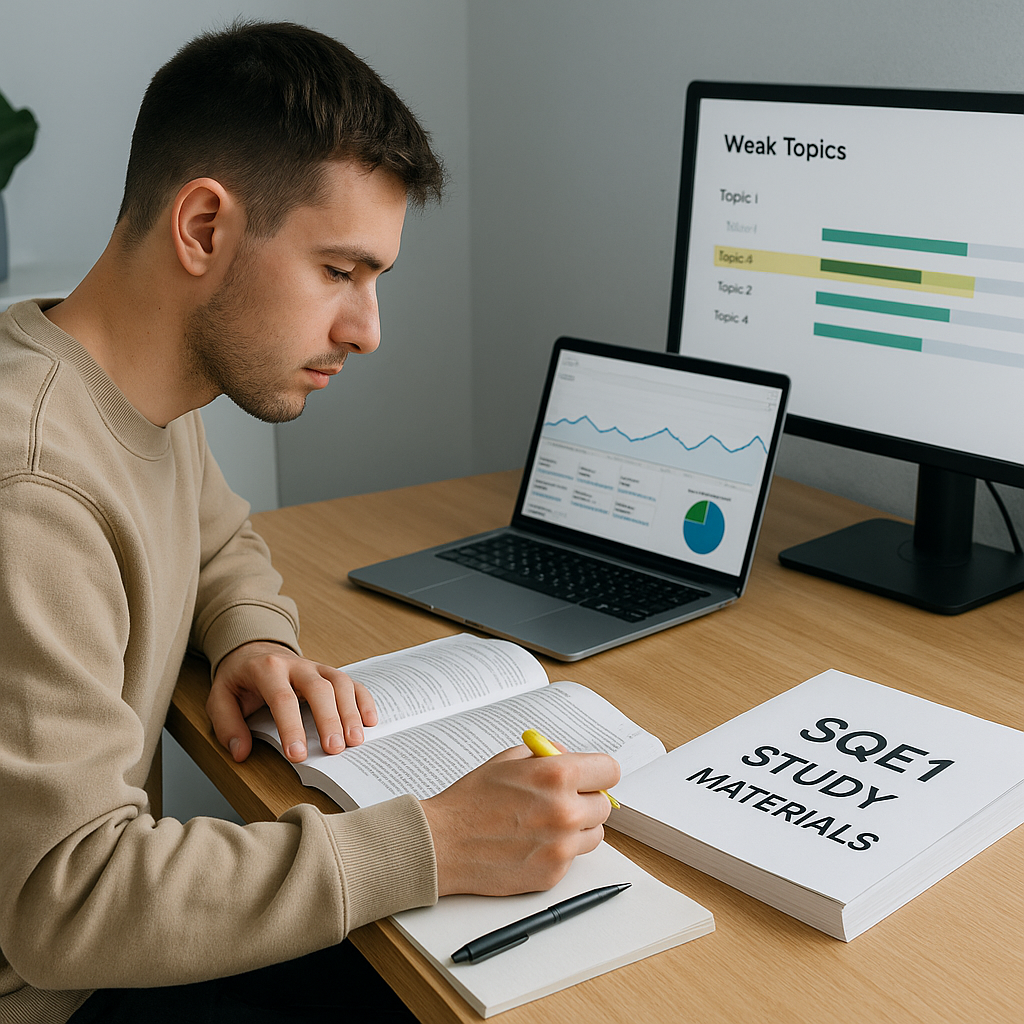
- Track Your Weak Spots: Don’t just guess where you’re struggling. Use analytics tools to pinpoint weak areas (e.g., “Contract Law: 45% accuracy”). That’s where you should focus your next drill.
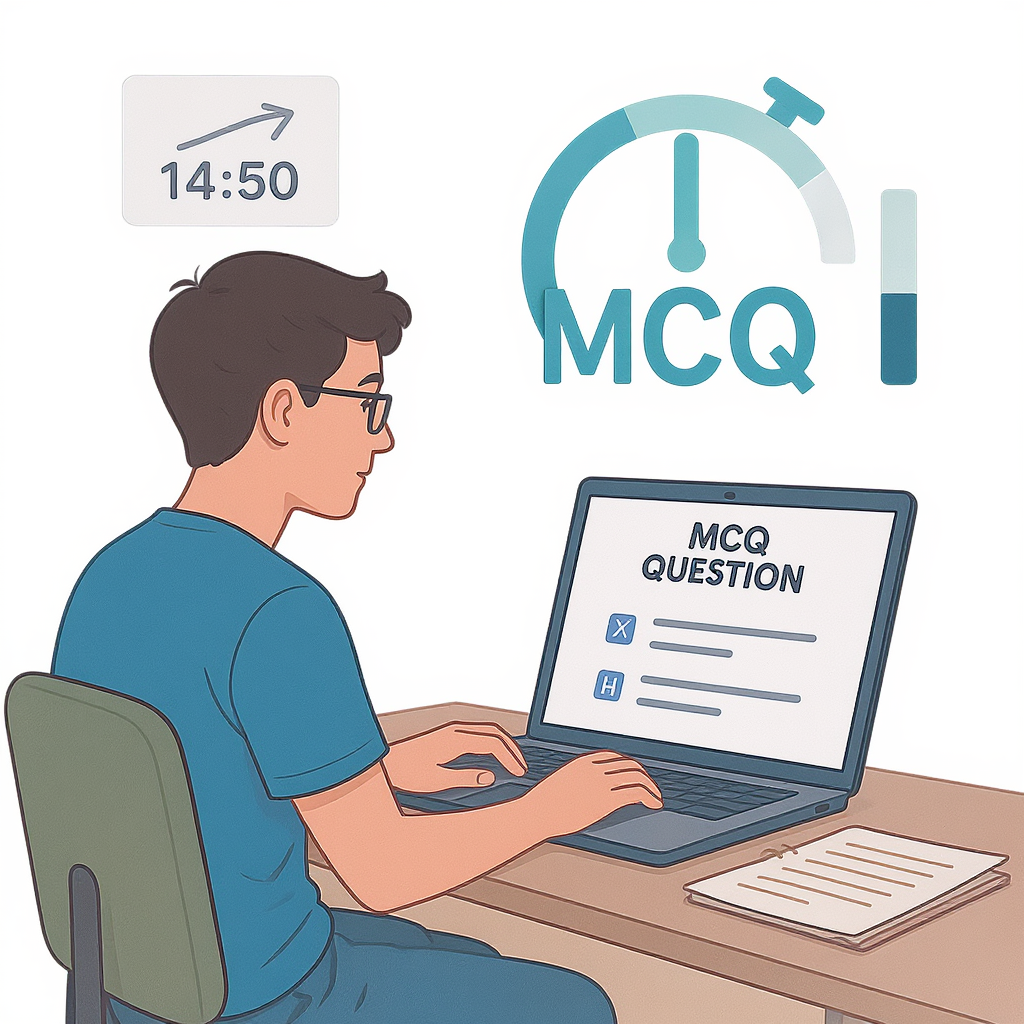
- Simulate Exam Conditions: Once a week, switch to “Exam Mode” and tackle a full 180-question paper. This builds stamina and time management skills.
- Consistency is Key: Even 20 minutes a day adds up. Use streak trackers or set weekly goals to stay disciplined.
The Bottom Line
Active recall isn’t easy, but it works. If you’re serious about passing SQE1, ditch the highlighters and start drilling questions. Platforms like SQE1 Drills exist to make this process as seamless (and affordable) as possible. At just £5/month, it’s a no-brainer compared to the £1,934 exam fee — or worse, paying it again after failing.
You might be tempted to stick to what’s familiar. Don’t. The candidates who succeed are the ones who push themselves out of their comfort zones and embrace what works. Active recall works.
Want to try it for yourself? SQE1 Drills offers 10 free questions without sign-up and a 30-day free trial. No excuses.
Citations:
- ScienceDirect - Study on the effectiveness of active recall.
- SRA - SQE1 pass rate and exam details.
- Forbes - Overview of active recall vs passive learning.