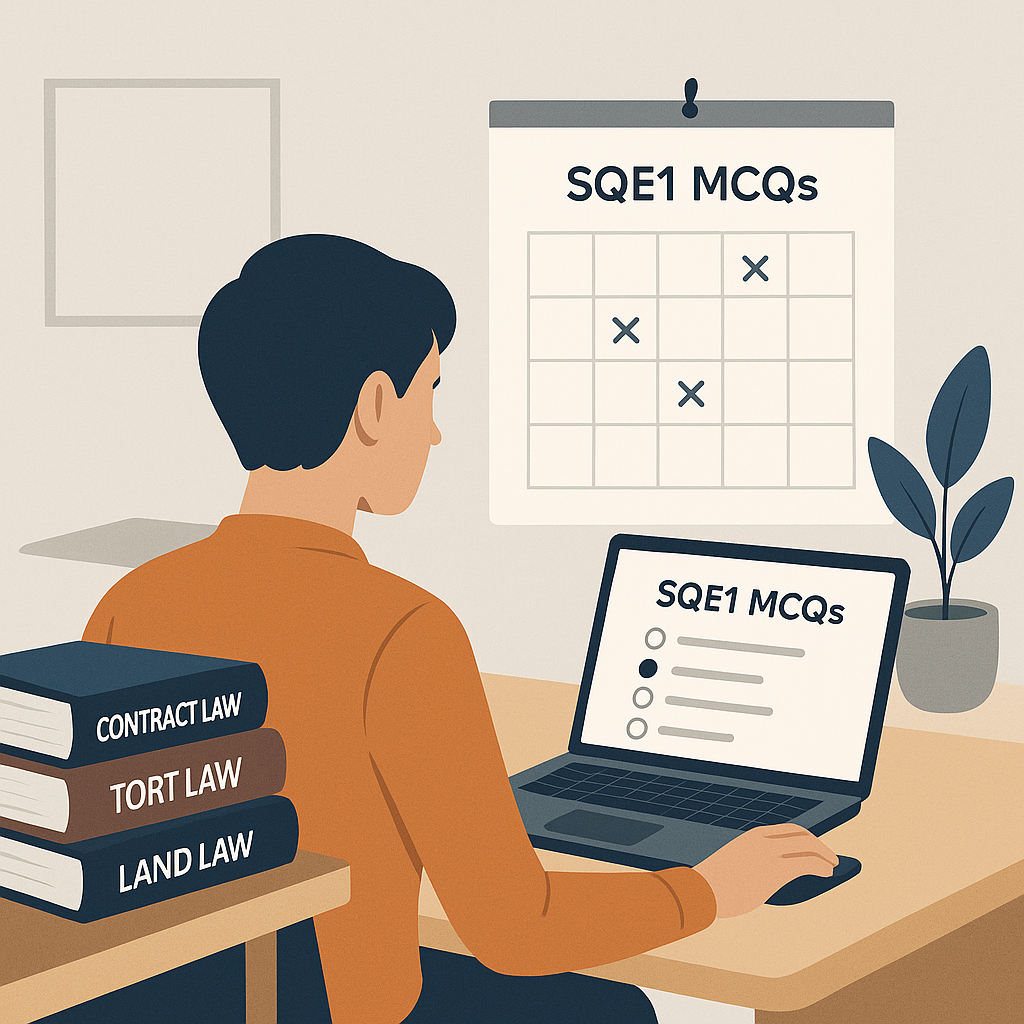
Why Most SQE1 Study Plans Fail
Let’s be honest. Most people approach the SQE1 like it’s just another exam. They skim through the syllabus, buy a prep book (or two), and promise themselves they’ll study harder next week. Then life gets in the way. Work deadlines pile up. Weekends disappear. And suddenly, there’s panic. Sound familiar?
The problem isn’t laziness. It’s strategy. The SQE1 tests breadth and depth. With over 300 topics across 13 practice areas, it’s not enough to just "cover everything." You need a plan that prioritizes what matters most — your weak areas.
Step 1: Audit Your Knowledge
Before you even think about creating a study schedule, figure out where you’re standing. Don’t guess — test. Start with a diagnostic test or a set of practice questions. (Full disclosure: if you’re using SQE1Prep, the Weak-Topic Analysis feature is built for this exact purpose.)
Here’s why this matters: Let’s say you’re great at Contract Law but struggle with Tort. Spending equal time on both is a waste. A knowledge audit helps you focus your time where you’ll get the biggest return.
Step 2: Break It Down (Without Breaking Yourself)
SQE1 covers an intimidating amount of material. But you don’t need to study for 10 hours a day to pass. In fact, that’s a surefire way to burn out. Instead, work in blocks — we recommend 2-3 hours a day if you’re working full-time, or up to 5-6 hours if you’re studying full-time.
Here’s a sample weekly breakdown for a part-time student:
- Monday-Friday: 1.5 hours of topic-focused MCQs + 30 minutes reviewing mistakes
- Saturday: 3-hour mock exam under timed conditions
- Sunday: Review weak areas identified from mocks, revise notes
Notice the focus on practice problems. Why? Because the SQE1 is a multiple-choice exam. If you’re not doing timed MCQs, you’re not prepping correctly.
Step 3: Make It Personal
This is where personalized tools shine. A generic study plan assumes everyone learns the same way. But let’s face it — that’s not true. Some people need more time on Principles of Professional Conduct, while others fly through it in a day.
Using a tool like SQE1Prep, you can create a study schedule that adapts to your strengths and weaknesses. For example, if your Weak-Topic Analysis flags Family Law as a pain point, the system will prioritize related drills in your daily study plan. No guesswork. No wasted time.
Step 4: Don’t Skip Mock Exams
Mock exams are non-negotiable. They don’t just test your knowledge; they train your stamina. Remember, the SQE1 is a long exam — two 2-hour 33-minute sessions, each with 90 questions. That’s not something you can just wing.
We recommend taking your first mock about 4-6 weeks into your prep. This will give you a baseline score. Then, take one every 2-3 weeks leading up to the exam. Timed mocks also help you learn pacing, which is critical for avoiding the "ran out of time" disaster.
Step 5: Adjust, Don’t Panic
Here’s the truth: no study plan survives first contact with real life. You’ll miss days. Topics will take longer than expected. That’s okay. The key is adjusting without quitting.
Let’s say your schedule says, "Finish Equity & Trusts by Friday," but you’re only halfway through. Instead of cramming, reassess. If Equity & Trusts is a weak area, prioritize it next week. If it’s not, move on and revisit later.
Final Thoughts
Building a study schedule for the SQE1 isn’t about perfection. It’s about progress. Test yourself early, focus on weak areas, and don’t be afraid to adapt. Tools like SQE1Prep can help you stay on track with features like personalized study plans and real-time analytics. But remember, no tool can replace consistent effort.
You’ve got this. Now, go make that schedule.
Ready to see SQE1Prep in action?
AI-powered SQE1 exam preparation platform with focused MCQ drills, real-time analytics, weak-topic detection, and an AI tutor — from just £5/month.
Get Started Free →